
Hi, I’m Zak 👋🏼
An aspiring software engineer passionate about low-level programming and high-performance design. I specialise in C and C++ with experience in Python as well. My main interests include Computer Graphics, Rendering Engine Architecture, and Systems Programming, where I focus on building efficient software from first principles.
Currently, based in London where I work at Sony Interactive Entertainment Europe (SIEE) within the Advanced Technology Group (ATG) developing core systems for the PlayStation platform.
Previously graduated with a distinction in High-Performance Computing (M.Sc.) from the University of Edinburgh. For further details you can view my CV.
Full time Linux user running Debian with my main editor of choice for programming being Emacs. My dotfiles are available on GitHub here.
Skills
- Operating Systems: Linux, Windows, macOS
- Programming Languages: C, C++, Zig, Python, GLSL, HLSL
- APIs: Win32, OpenGL 4.6, Vulkan 1.3, MPI, OpenMP
- Tools: GDB, RenderDoc, Intel VTune, AMD uProf, CrayPat, Scalasca, Linaro Forge
- Interests: Rendering Engine Architecture, Performance Benchmarking and Optimisation, Network Attached Storages (Synology)
Current Project
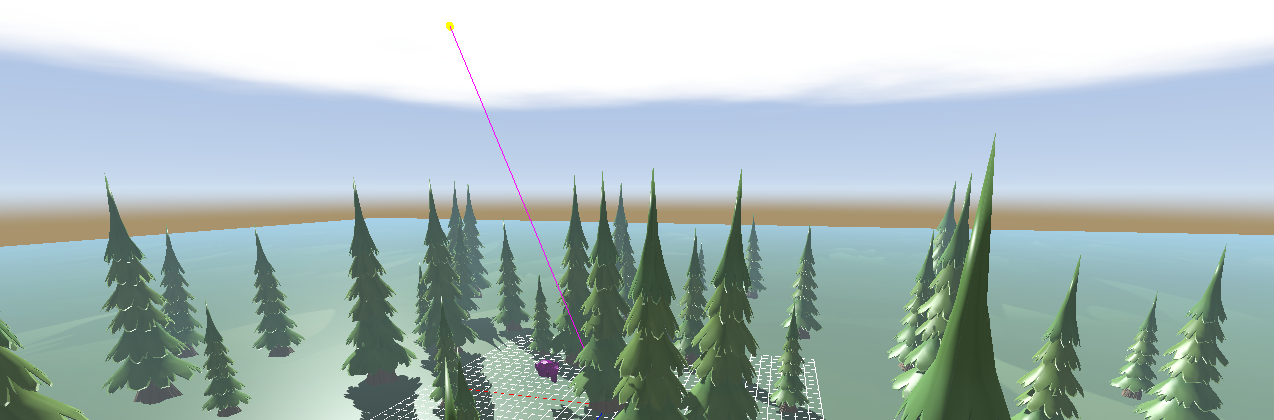
A real-time cross-platform rendering engine in Zig aiming to support multiple rendering backends (OpenGL, Vulkan, D3D12, Metal) through a custom render command system.
Hobbies
